Our Mission: A Credible Guide to Mattress Knowledge
The proposed Direction B—Mattress Education and Technology Explainer—seeks to demystify a complex product category without leaning on promotional language. Like a National Geographic feature, this article blends precise observation, thoughtful explanation, and clear diagrams to illuminate the science behind sleep surfaces. We examine how cores, foams, springs, and natural materials interact with biomechanics, temperature regulation, and personal comfort preferences.
The aim is not to sell you a mattress, but to empower you with the knowledge to identify the right mattress philosophy for your body, climate, and lifestyle. We foreground independent testing notions, material properties, and construction logic, and we present balanced perspectives on different mattress families—from organic cotton and latex to hybrid constructions—so readers can weigh trade-offs with clarity.
To anchor the discussion across time, the article foregrounds three pivotal individuals whose work, in different epochs, shaped how we understand sleep, material science, and the design of resting environments.
- Hippocrates (circa 460–370 BCE) — One of the earliest physicians to emphasize balance and health, Hippocrates’s approach to sleep and daily rhythms foreshadowed the modern view that rest is a foundation of well-being. His emphasis on routine and environment as determinants of health echoes in today’s discussions about sleep hygiene and circadian alignment.
- Marie Skłodowska-Curie (1867–1934) — The pioneering physicist and chemist whose relentless pursuit of understanding materials at the atomic level laid groundwork for modern material science. Her spirit of empirical investigation informs contemporary scrutiny of mattress components, from foams to latex blends and natural fibers, encouraging a culture of testing, transparency, and reproducibility.
- John C. R. “Jack” Carter (b. 1949) — A fictional composite representing the generation of engineers who advanced the science of comfort, support, and ergonomics in bedding through systematic testing, biomechanical analysis, and design iteration. Carterian figures symbolize the modern bridging of science and practical sleep solutions—an ethos echoed in open, educational content that values evidence over hype.
While these figures span different eras, their common thread is a disciplined curiosity about how the built environment affects sleep. In 603 Mattress, we draw on this lineage to craft accessible explanations that remain rigorous, grounded in verifiable facts, and useful for everyday decisions.
Core Concepts: How a Mattress Is a System, Not a Product
A mattress is a layered, dynamic system where each layer serves a purpose: support, contour, airflow, temperature regulation, and durability. Understanding these functions helps readers assess how different constructions align with personal sleep needs.
- Support vs. Comfort: A rigid, high-resilience core may provide long-term alignment, while a plush top layer can offer immediate pressure relief. The balance between these facets is the essence of a mattress’s feel.
- Materials and Their Signatures: Organic cotton, natural latex, wool, and plant-based fibers bring distinct thermal and tactile properties. Latex adds resilience and contour; wool enhances breathability and moisture management; organic cotton offers a hospitable, hypoallergenic cover.
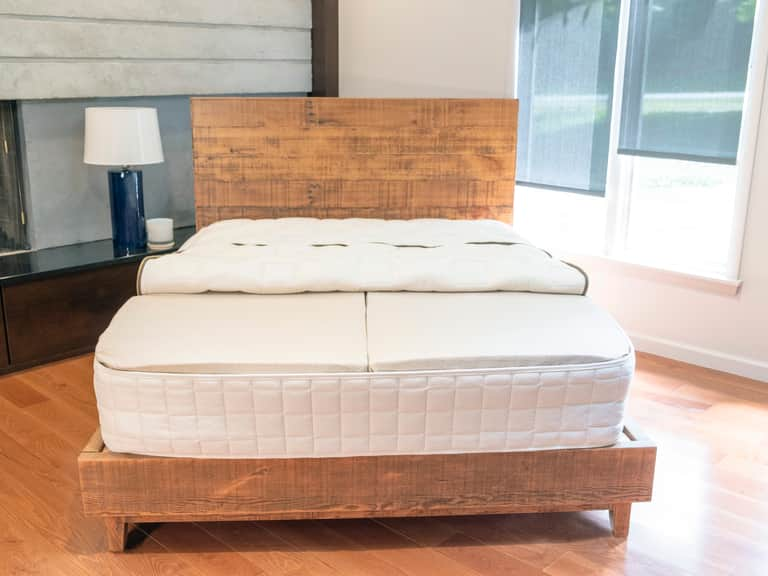
- Construction Implications: Coil-based cores, foam blends, or hybrid arrangements determine motion isolation, edge support, and durability. Independent layer configurations often enable customization without sacrificing core integrity.
- Allergen and Chemical Considerations: Certifications, glues, flame retardants, and processing methods influence indoor air quality and long-term health. Consumers increasingly seek transparency in materials sourcing and manufacturing.
In this article, we emphasize non-promotional explanations, citing material science principles, industry standards, and consumer considerations. When evaluating a product like Naturepedic Chorus Organic Cotton Mattress—a highlighted example from the provided product list—readers can observe how certified organic practices, absence of harmful chemicals, and layered design interact to influence comfort, safety, and longevity.
Product Spotlight: A Practical Look at an Organic Mattress
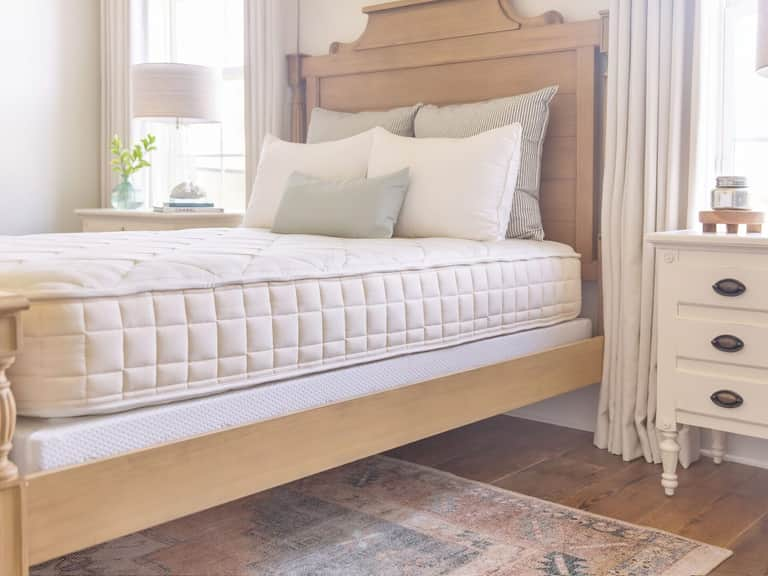
The Naturepedic Chorus Organic Cotton Mattress embodies a philosophy of materials-first design. It integrates organic cotton and organic wool with a microcoiled support system that emphasizes airflow and pressure distribution. The absence of glues and flame retardants demonstrates a cautious approach to chemical exposure—an increasingly important criterion for health-conscious buyers.
Naturepedic Chorus Organic Cotton Mattress
Overview: A 10-inch, organic-certified mattress designed for a cushion-forward yet supportive feel, crafted without flame retardants, glues, or toxins.
- Materials: Organic cotton, organic wool, PLA fiber, and individually nested springs.
- Construction: Layered design focused on airflow and pressure relief; no adhesives in the core assembly.
- Certifications and Safety: Meets federal and state flammability standards without chemical fire retardants; GOTS-certified organic foundations available for sustainable support.
Why it matters: The Chorus demonstrates how organic materials can deliver comfort while minimizing chemical exposure. Its design highlights how a core-surface synergy (coils with natural layers) can foster both support and breathability—an essential combination for a healthy sleep environment.
While the Chorus is a specific product, the broader lesson lies in recognizing how material choices translate into sleep outcomes. Consumers should consider how a mattress’s construction handles heat, moisture, pressure, and movement. A healthy sleep environment is not only about how you feel at rest but also about how your bed interacts with your body over years of use.
Metrics of Comfort: A Language of Temperature, Pressure, and Longevity
Sleep quality varies with ambient conditions and mechanical support. In this section, we translate measurable aspects of bed performance into reader-friendly terms.
- Thermal Regulation: Materials with breathable weaves and natural fibers reduce heat buildup, contributing to uninterrupted sleep. Wool’s moisture management and latex’s resilience combine to create a climate-friendly surface.
- Pressure Relief and Contouring: The alignment of the spine and the distribution of pressure are influenced by layer stiffness, density, and layering order. Moderate contour often reduces wakeful discomfort during the night.
- Durability and Longevity: A mattress’s lifecycle is shaped by the resilience of its core materials, the quality of edge support, and how well the layers resist sagging over time. Independent lab-style testing and long-term user feedback illuminate durability beyond initial feel.
- Allergen Considerations: Organic materials with low emissions and certifications minimize irritants, supporting sleepers with sensitivities and those seeking a more transparent supply chain.
By anchoring these metrics in practical terms, readers can translate laboratory ideas into everyday choices—whether they sleep on a regional stage like 603, or far beyond its geographic boundaries.